
Is your gunsmith using an armorers plate?
After years of building and installing high-performance trigger systems at TacticalPontoon, there is one conversation that never gets easier to hear:
“My gunsmith installed it without an armorer’s plate.”
I hear this far more often than I should—and every time, it is frustrating for the same reason: this is a completely avoidable mistake that compromises safety, performance, and accountability during installation.
What an Armorer’s Plate Actually Does
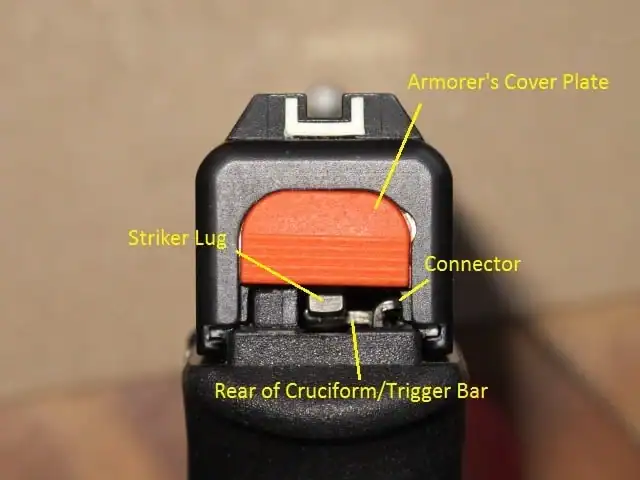
An armorer’s plate (sometimes called an armorer’s backplate) replaces the factory slide backplate during disassembly. Its purpose is simple and critical:
- Provides direct visual confirmation of striker, spacer sleeve, and spring alignment
- Prevents blind reassembly of internal slide components
- Allows verification of correct striker engagement and reset behavior
- Reduces the risk of damaged parts, inconsistent pull weight, or unsafe function
Without an armorer’s plate, the installer is effectively working blind inside the striker channel—hoping everything seats correctly instead of confirming that it did.
Hope is not a process. Verification is.
The Pattern I See (and Why It Matters)
When customers contact me about issues after an installation, a recurring theme appears:
- Inconsistent trigger feel
- Unreliable reset
- Light or erratic striker engagement
And when I ask how it was installed, the answer is often the same: no armorer’s plate was used.
This is not an advanced or exotic tool. It is a baseline requirement for professional Glock work. Any gunsmith performing slide disassembly on a Glock should already have one on the bench.
What Customers Should Ask—Every Time
If you are dropping your pistol off for installation, ask this question up front:
“Do you use an armorer’s plate when working on Glocks ?”
If the answer is no—or if the question is met with confusion—that should be a red flag. A reputable shop will understand exactly why it matters and will already have one in regular use.
This single question can save you from follow-up problems, safety concerns, and unnecessary troubleshooting later.
A Critical Note for Shadow Systems Owners
This issue is even more important for Shadow Systems owners.
Shadow Systems uses a modified slide design—but does not provide an armorer’s plate to match it. That decision creates a gap in safe, verifiable installation practices.
To be clear:
I currently offer the only dedicated armorer’s plate solution for Shadow Systems slides. I did not do this for convenience or marketing. I did it because safety and performance demand it.
If a platform deviates from factory Glock geometry, the tooling must evolve with it. Ignoring that reality puts installers and end users at risk.
Why I Care (and Why You Should Too)
At TacticalPontoon, every system is built around repeatable precision and verifiable function. That philosophy does not stop at the trigger—it extends to how the firearm is assembled and validated.
Using an armorer’s plate is not optional. It is not a preference. It is part of doing the job correctly.
If your gunsmith is skipping this step, they are cutting a corner that should never be cut.
Bottom Line
- An armorer’s plate is essential for safe, professional Glock installation
- Blind slide assembly leads to avoidable failures and inconsistencies
- Customers should ask—and expect—proper tooling
- Shadow Systems owners must be especially vigilant due to slide design differences
- I offer a Shadow Systems armorer’s plate because I refuse to compromise on safety or performance
If you care about how your pistol functions—and you should—make sure the person working on it does too.
From the Shop — July 2026
When I first wrote this article, the armorer’s plate was already one of the most valuable diagnostic tools on my work table. That hasn’t changed.
If anything, the arrival of the Gen6 Glock has made it even more relevant. One of the first things I’ve observed is increased cruciform engagement compared to previous generations. An armorer’s plate lets you see exactly what’s happening inside the pistol, making it an invaluable diagnostic and tuning aid straight out of the box.
I’m currently documenting those observations for an upcoming Trigger Theory article, where we’ll take a deeper look at Gen6 cruciform engagement, what I’m seeing during inspections, and what it means for builders who want to understand—not guess—what’s happening inside their Glock.
One thing hasn’t changed since this article was first published:
Hope is not a process. Verification is.
That’s the standard I build every TacticalPontoon system around. Every adjustment should be verified. Every measurement should be understood. Every trigger should earn its reputation through evidence—not assumptions.